Europe Is Phasing Out Microplastics. RAWDOG Never Used Them.
Learn how the EU microplastics restriction affects cosmetics, why microplastics are used in skincare, and why RAWDOG never added them to its formulas.

What goes into your skincare matters and government officials all over the world agree. Regulators are taking a closer look at what those ingredients mean, not only for the products we use each day, but for the environment long after they’re washed down the drain.
Europe Takes a Stance
In Europe, the conversation has already happened. Now, it’s regulation.
Under new European Union rules, certain intentionally added microplastics are being phased out across a wide range of products, including cosmetics like skincare. For rinse-off cosmetics, the restriction becomes enforceable beginning October 2027, followed by leave-on cosmetics in 2029, and makeup; lip; and nail products in 2035.
For some brands, that’s going to mean taking a look at how their products are formulated and making some changes.
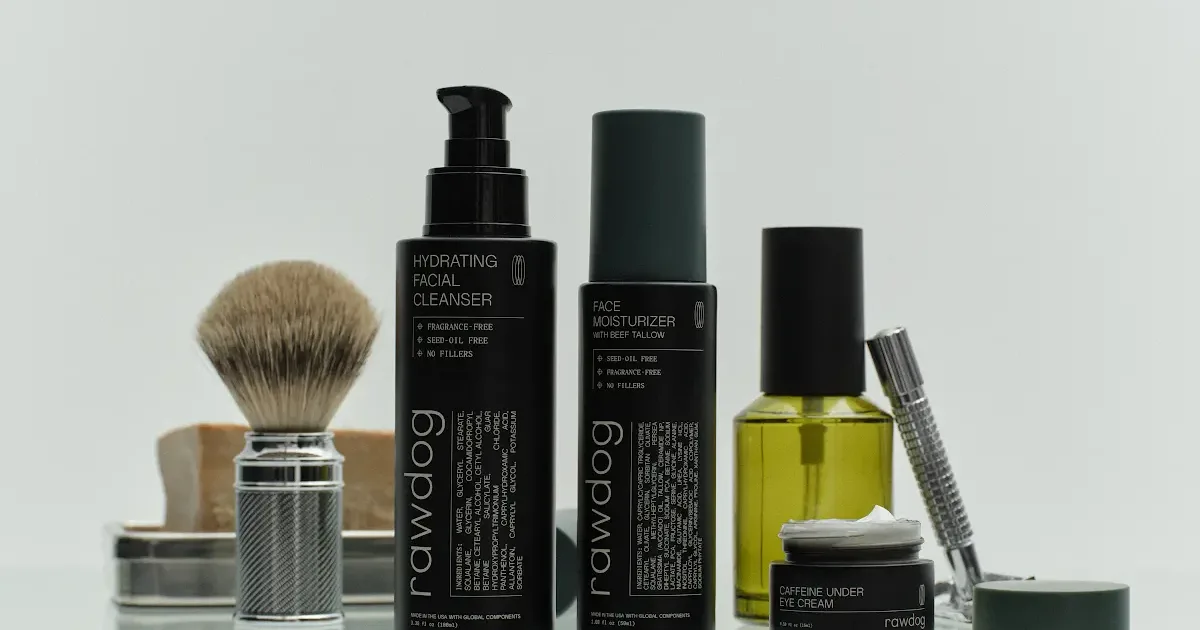
For RAWDOG, it reinforces a decision we made from the start: none of our products are formulated with intentionally added microplastics.

Why Are Microplastics Used in Skincare?
You might wonder why some brands use microplastics.
When most people hear “microplastics,” they probably imagine tiny plastic beads once commonly found in exfoliating face and body scrubs, but the conversation around intentionally added microplastics extends far beyond those visible beads.
Synthetic polymer microparticles can serve functional purposes in cosmetic formulations, helping influence qualities like texture, consistency, film formation, appearance, and the way a product feels or performs on the skin.
It’s also worth noting that not every synthetic polymer used in cosmetics meets the EU’s definition of a microplastic. The new restriction specifically addresses certain solid synthetic polymer microparticles that meet criteria established under the regulation.
That distinction does matter.

Why Is Europe Phasing Them Out?
Microplastics are persistent. Unlike ingredients designed to readily break down in the environment, plastic particles can remain there for long periods of time.
Once released, they can be extremely difficult to remove. They can travel through waterways, accumulate in ecosystems, and contribute to the growing amount of plastic pollution already present in the environment.
This persistence is at the heart of the EU’s new restriction.
The regulation went into effect in 2023, but because microplastics are used across so many product categories, the EU established different transition periods to give industries time to reformulate and find alternatives.
For cosmetics, the timeline looks like:
-
October 2027: rinse-off cosmetics
-
October 2029: leave-on cosmetics
-
October 2035: makeup, lip, and nail cosmetics
The goal is quite significant. The European Commission estimates that the broader restriction could prevent approximately half a million metric tons of microplastics from being released into the environment over 20 years.
The Microplastics Conversation Is Getting Bigger
Environmental persistence is the primary driver behind the EU restriction, but microplastics have also become the subject of a much broader scientific conversation.
Researchers have detected microplastics and nanoplastics in human tissues and fluids, like testicular tissue and semen. Scientists are actively studying what long-term exposure could mean for human health.
Some research has found associations between microplastic exposure and biological markers related to inflammation, oxidative stress, and endocrine function. However, this is an emerging area of science, and an important distinction does remain: association is not the same thing as proof of causation. Researchers have not established that microplastic exposure does cause specific diseases in humans, and significant questions about exposure, dose, and long-term effects remain unanswered.

For RAWDOG, that’s exactly why we were selective in the ingredients that go in our products. Science is leading the formulation decisions we make.
The U.S. Standard Is Different
The United States has already taken action against one form of intentionally added plastic in personal care products. The Microbead-Free Waters Act prohibits plastic microbeads intentionally added to rinse-off cosmetics for exfoliating or cleansing purposes.
That law is however narrower than the EU’s new restriction. It doesn’t amount to a blanket U.S. prohibition on all intentionally added synthetic polymer microplastics that fall within the EU regulation.
For RAWDOG, meeting the current minimum standard was never the end goal.
We Didn’t Wait for the Standard to Change
RAWDOG was created around a simple idea: every ingredient should have a reason for being there.
That philosophy shapes what we put into our formulas and more importantly, what we intentionally leave out.
From day one, our products have been formulated without intentionally added microplastics. Not because a regulation required us to. Not because a deadline was approaching. Not because an ingredient suddenly became part of a larger conversation.
It’s simply part of how we believed skincare should be formulated- to benefit your whole-body health.
Our approach is centered around intentional ingredients selected to support the skin, the performance of the formula, and how it will impact your entire body. That means asking more than whether an ingredient is currently allowed. We also consider why it’s there in the first place, what purpose it services, and whether it aligns with the standards we’ve set for RAWDOG.
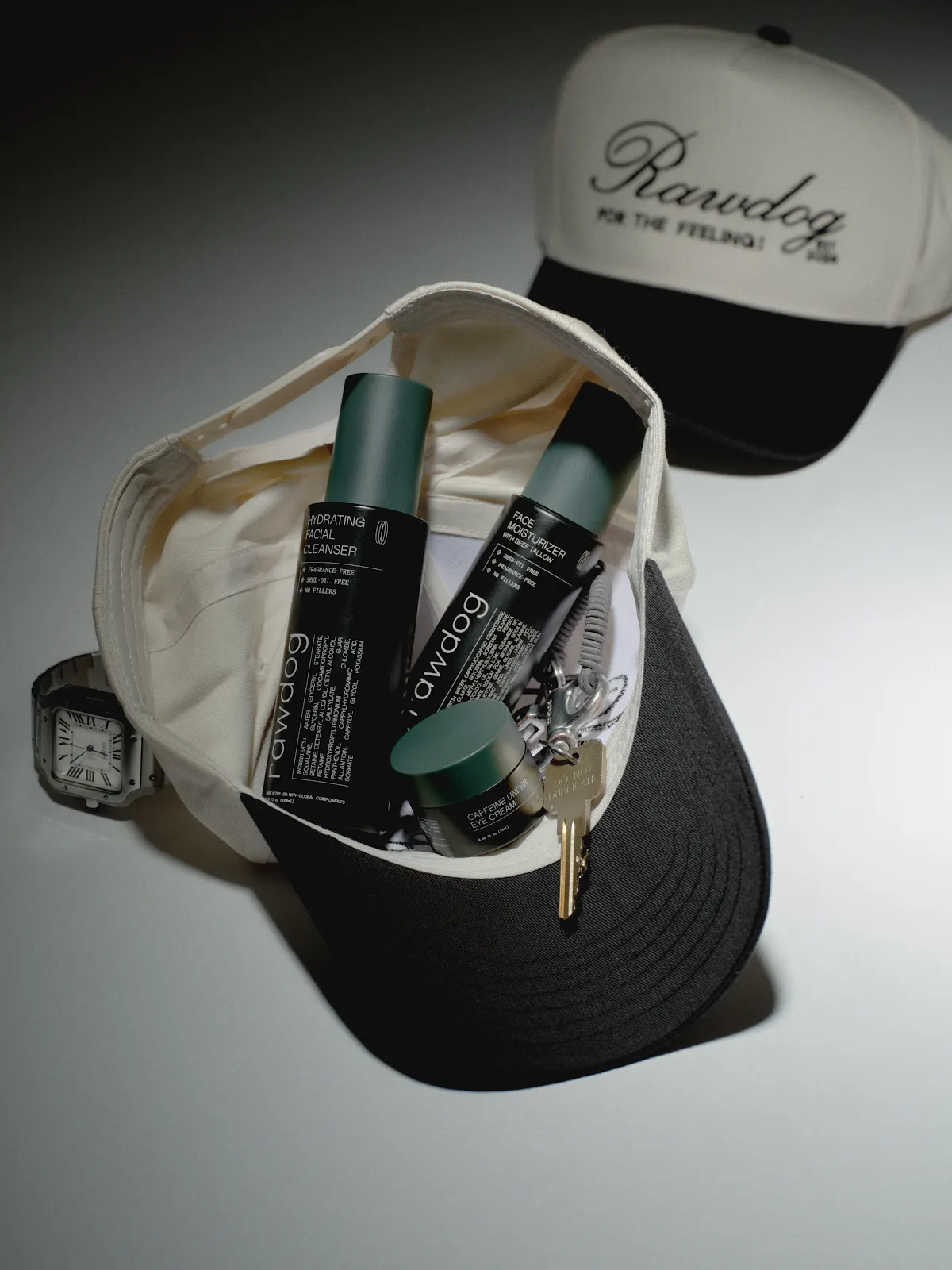
Standards Evolve. Intentional Formulation Shouldn’t Wait
The EU's microplastics restriction is another sign of a broader shift happening across beauty and personal care. Consumers are asking more questions. Research is evolving. Regulators are responding. And brands are being challenged to think more carefully about the ingredients behind the products people use every day.
We think that's a good thing.
Because better skincare isn't about chasing every new ingredient trend or responding only when regulations change. It's about making deliberate formulation decisions from the start.
Europe may be moving toward a new standard for intentionally added microplastics in cosmetics, but at RAWDOG, it’s a standard we chose from day one.