Microplastics, PFAS, and Fertility: Why Men Are Rethinking Skincare
Microplastics and PFAS are raising new questions about fertility, hormones, and daily skincare exposure. Here is why RAWDOG formulates without added PFAS or intentionally added microplastics.

When most people think about fertility, they think about diet, exercise, sleep, or stress. Fewer people think about the products they put on their skin every day.
But as researchers continue studying environmental contaminants and long-term chemical exposure, microplastics and PFAS, often called forever chemicals, are becoming part of the conversation.
No single skincare product determines fertility outcomes. Fertility and hormone health are shaped by genetics, age, lifestyle, environmental exposure, overall health, and many other factors. But cumulative exposure matters, and the products used daily can become part of a larger picture that includes food, water, air, packaging, and the materials we touch every day.
That is why RAWDOG takes a hormone-conscious approach to skincare. Skin is not a wall. Ingredients applied to the skin can contribute to overall exposure, which is why we formulate to reduce unnecessary chemical load wherever possible.
Why Fertility Conversations Are Expanding Beyond Diet
Fertility and hormone health are influenced by many factors: genetics, age, lifestyle, environmental exposures, and overall health.
Researchers are increasingly studying how persistent exposure to certain environmental contaminants may contribute to:
- Hormone disruption
- Oxidative stress
- Inflammation
- Reproductive health challenges
These concerns have brought new attention to microplastics and PFAS, two categories of materials that have become widespread in modern life.

Microplastics Are No Longer Just an Environmental Issue
Microplastics are tiny plastic particles that can originate from the breakdown of larger plastics or from intentionally added synthetic materials used in consumer products.
In recent years, researchers have reported microplastics in human tissues and biological samples, including:
- Blood
- Lungs
- Placenta
- Testicular tissue
- Semen
That has shifted the conversation from environmental contamination alone to potential human health implications.
Scientists are still studying how microplastics may affect biological systems. Existing research suggests they may contribute to oxidative stress and inflammation, two mechanisms associated with reproductive health concerns.
The science is still evolving, but one point is clear: microplastics are being detected inside the human body, including within reproductive tissues.
Growing Concern Around PFAS
PFAS, or forever chemicals, are a group of highly persistent compounds designed to resist heat, water, and degradation.
Unlike many substances that naturally break down over time, PFAS can remain in the environment and the body for years.
Research through the National Institutes of Health has linked higher PFAS exposure to concerns including:
- Hormonal disruption
- Reduced fertility
- Longer time to pregnancy
- Other endocrine-related effects
PFAS have been detected in the bloodstreams of most Americans, making them one of the most widespread environmental exposures studied today.
Skincare Is an Often-Overlooked Exposure Source
Most people do not think of skincare when considering environmental exposure.
Yet skincare products are applied directly to the body every day, often for decades.
Many conventional skincare formulas, including premium and dermatologist-recommended products, rely on synthetic polymers, acrylates, PEGs, silicones, and other performance-enhancing ingredients to improve texture, spreadability, stability, and shelf life.
Some of these ingredient classes are now being scrutinized under emerging EU regulations surrounding intentionally added synthetic polymer microparticles, commonly referred to as microplastics.
Regulatory definitions continue to evolve, and not every synthetic polymer is legally classified as a microplastic. Rather than debating where every regulatory line begins, RAWDOG chose a stricter path: we develop our products to meet EU standards, which are more restrictive than current United States standards for intentionally added microplastics.

RAWDOG's Approach: Reduce Unnecessary Exposure
At RAWDOG, we formulate with a simple philosophy:
Reduce unnecessary exposure wherever possible.
Our products are formulated without intentionally added microplastics or added PFAS. We also avoid ingredient classes commonly associated with synthetic polymer systems whenever possible.
That means our formulas are deliberately made without:
- Intentionally added microplastics
- Added PFAS
- PEGs
- Acrylate polymers
- Synthetic fragrance
- Silicones
We focus on deliberate formulation, ingredient transparency, and supplier review processes designed to eliminate entire categories of materials that have become increasingly scrutinized.
Beyond Ingredients: Why Packaging Matters
Exposure does not only come from what is inside the bottle.
Packaging can also contribute to overall chemical exposure. Certain plastics may contain compounds such as phthalates or bisphenols, which have been studied for their potential endocrine-disrupting effects.
That is one reason RAWDOG packages its products in glass: to reduce unnecessary exposure pathways while supporting long-term product integrity.
A Different Philosophy for Skincare
Historically, the skincare industry optimized for texture, slip, shelf stability, and cosmetic feel.
RAWDOG optimizes its formulas for something different.
We focus on biomimetic ingredients, barrier support, and careful ingredient selection while avoiding categories of materials that continue to raise questions among researchers and regulators.
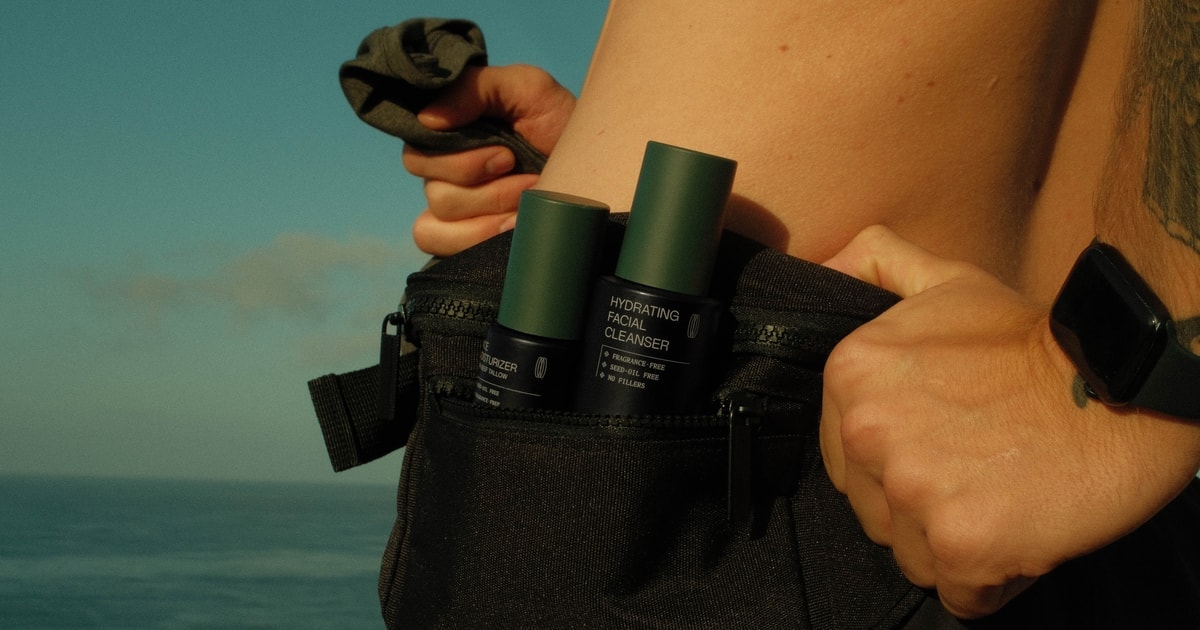
Our Hydrating Facial Cleanser uses gentle surfactants, humectants, and skin-compatible lipids rather than PEG-heavy cleansing systems and synthetic film-formers.
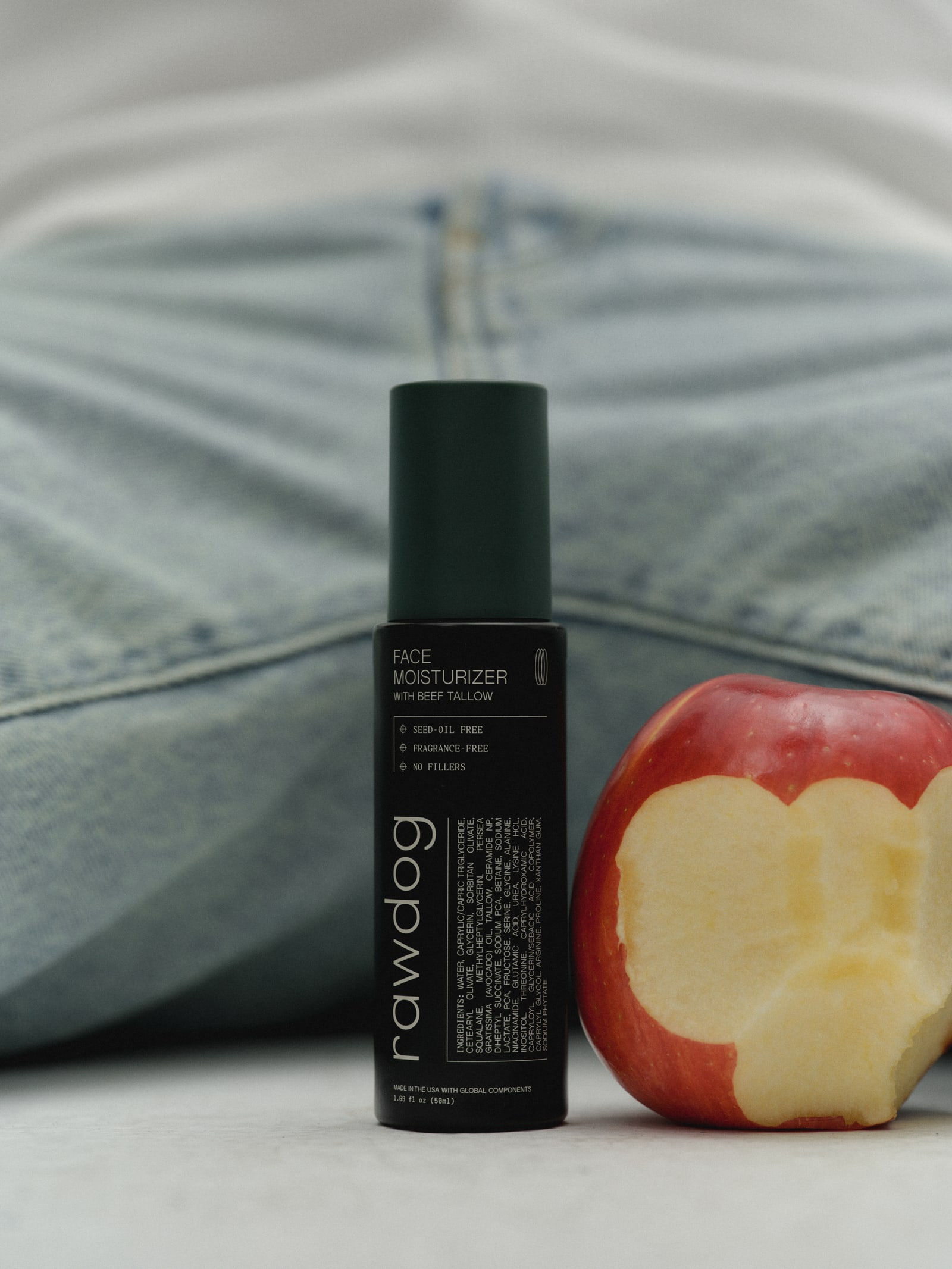
Our Face Moisturizer with Beef Tallow relies on biomimetic lipids, ceramides, and skin-identical hydration factors instead of silicones and synthetic texture agents.
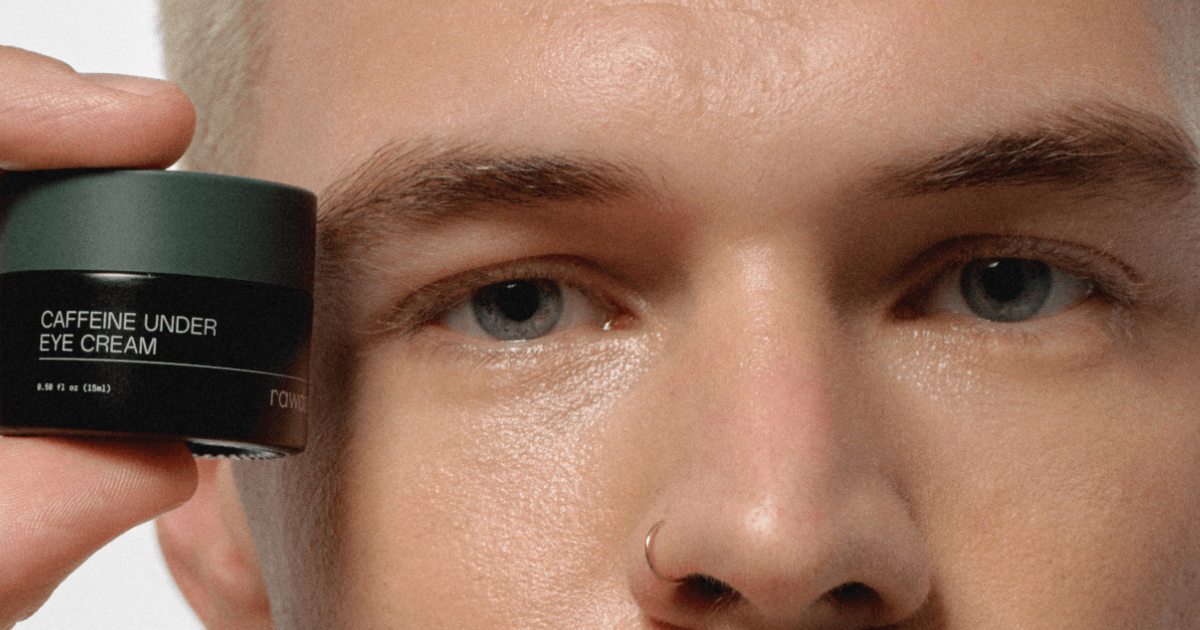
Our Caffeine Under Eye Cream focuses on peptides, caffeine, antioxidants, and barrier support rather than polymer-based coatings that create temporary cosmetic effects.
For a simple routine built around all three, explore The Core Set.

The Bigger Picture
No skincare product can prevent infertility. No skincare product can guarantee hormone health.
But the growing body of research around microplastics, PFAS, and long-term environmental exposure is prompting more people to ask better questions about the products they use every day.
For us, the answer is simple:
Choose ingredients carefully. Our men’s skincare set comparison is a practical place to start. Reduce unnecessary exposure where possible. Focus on long-term health, not just short-term cosmetic performance.
That is the philosophy behind every RAWDOG formula.